About RBG Labs
The Rehabilitation Bioengineering Group (RBG Labs) was established in 2002 at the Department of Engineering Design, IIT Madras, under the leadership of Prof. Venkatesh Balasubramanian. The lab applies a data-driven systems approach across road safety in India, human factors engineering, driver behaviour analysis, lean manufacturing, and transport policy support. Over the years, it has grown into a national reference center for capacity building in transport and safety systems.
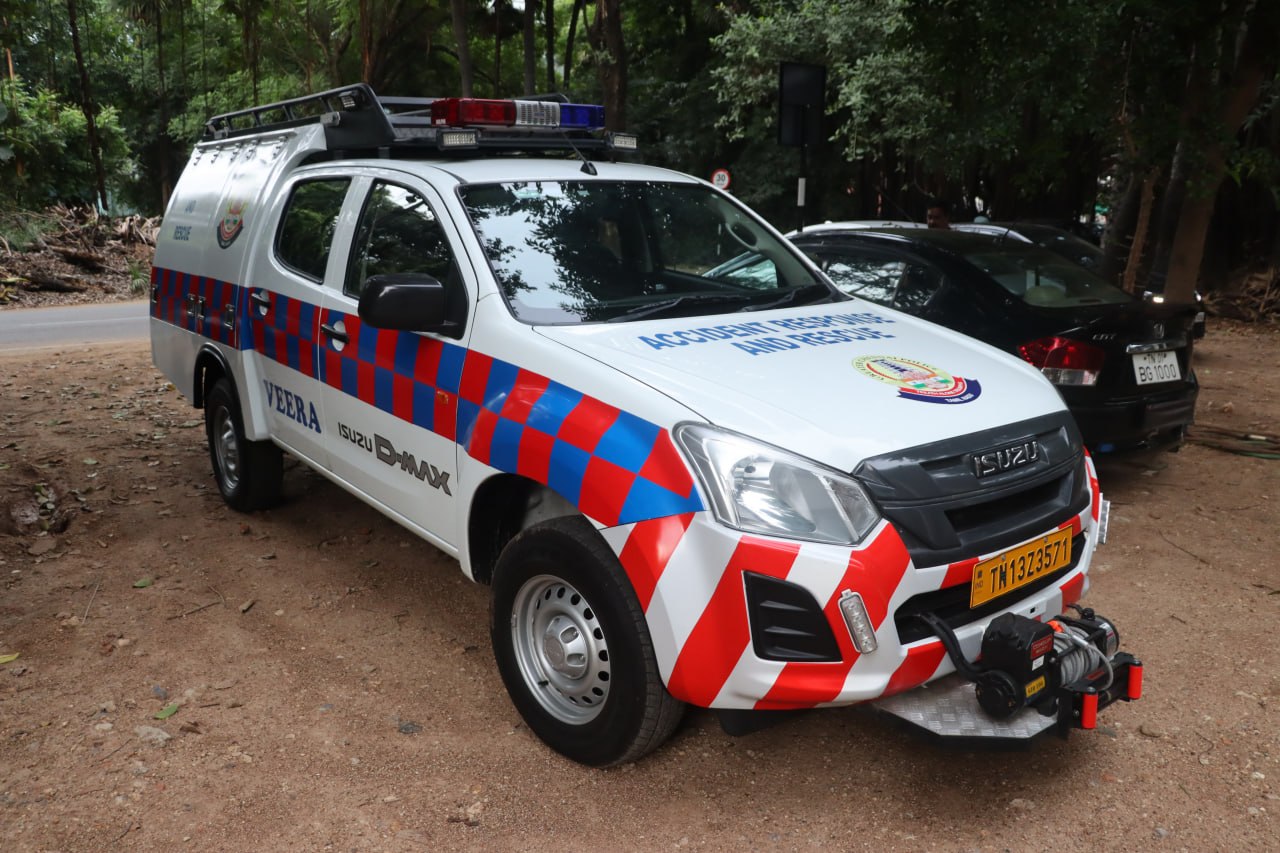
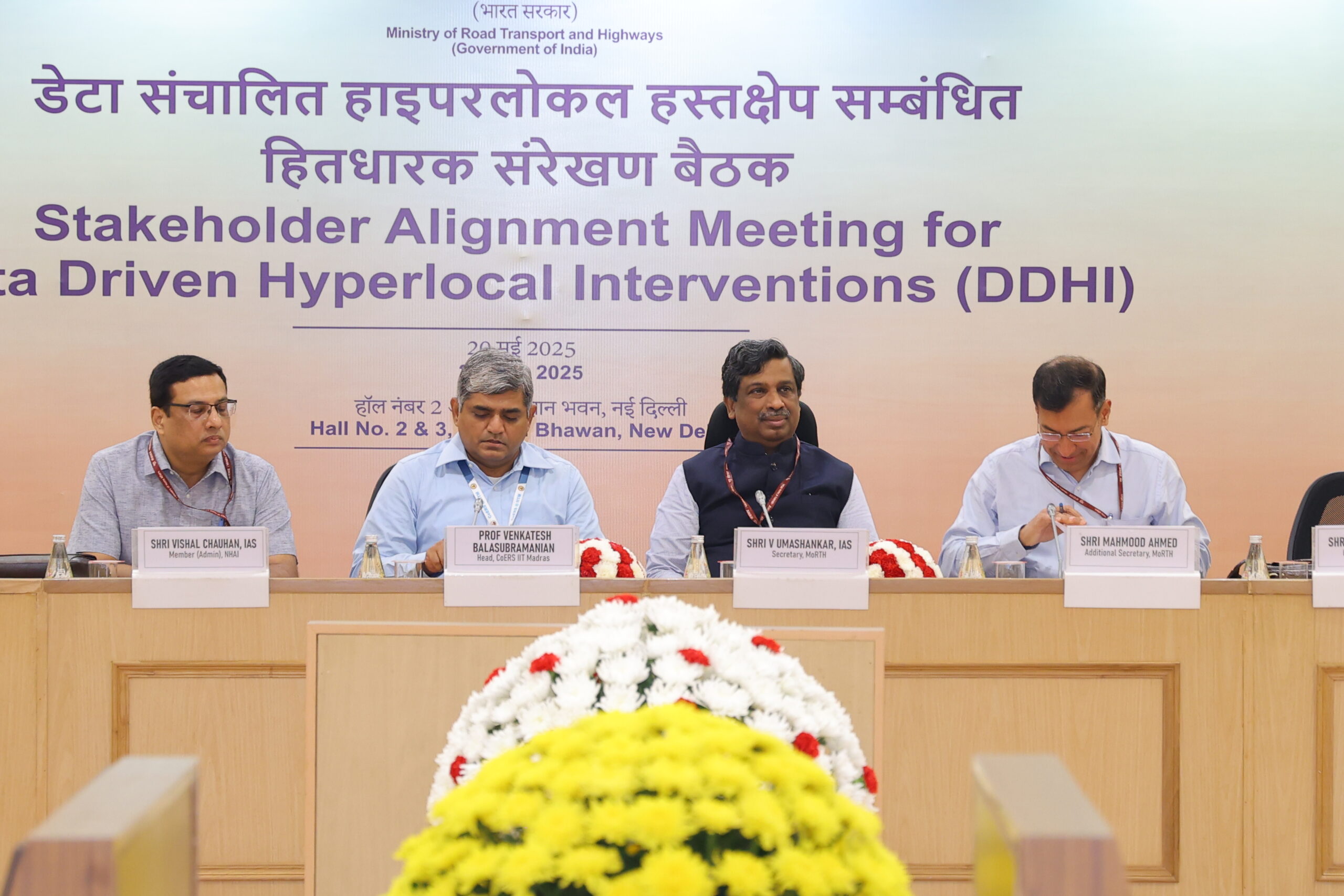
In collaboration with the Ministry of Road Transport and Highways (MoRTH), RBG Labs developed the electronic Detailed Accident Report (eDAR/iRAD), India's first national crash database, now deployed across all 36 States and Union Territories. The lab also anchors the Centre of Excellence for Road Safety (CoERS), integrating research in human factors, road engineering, and vehicle safety to strengthen systemic outcomes.

Transportation Safety Framework
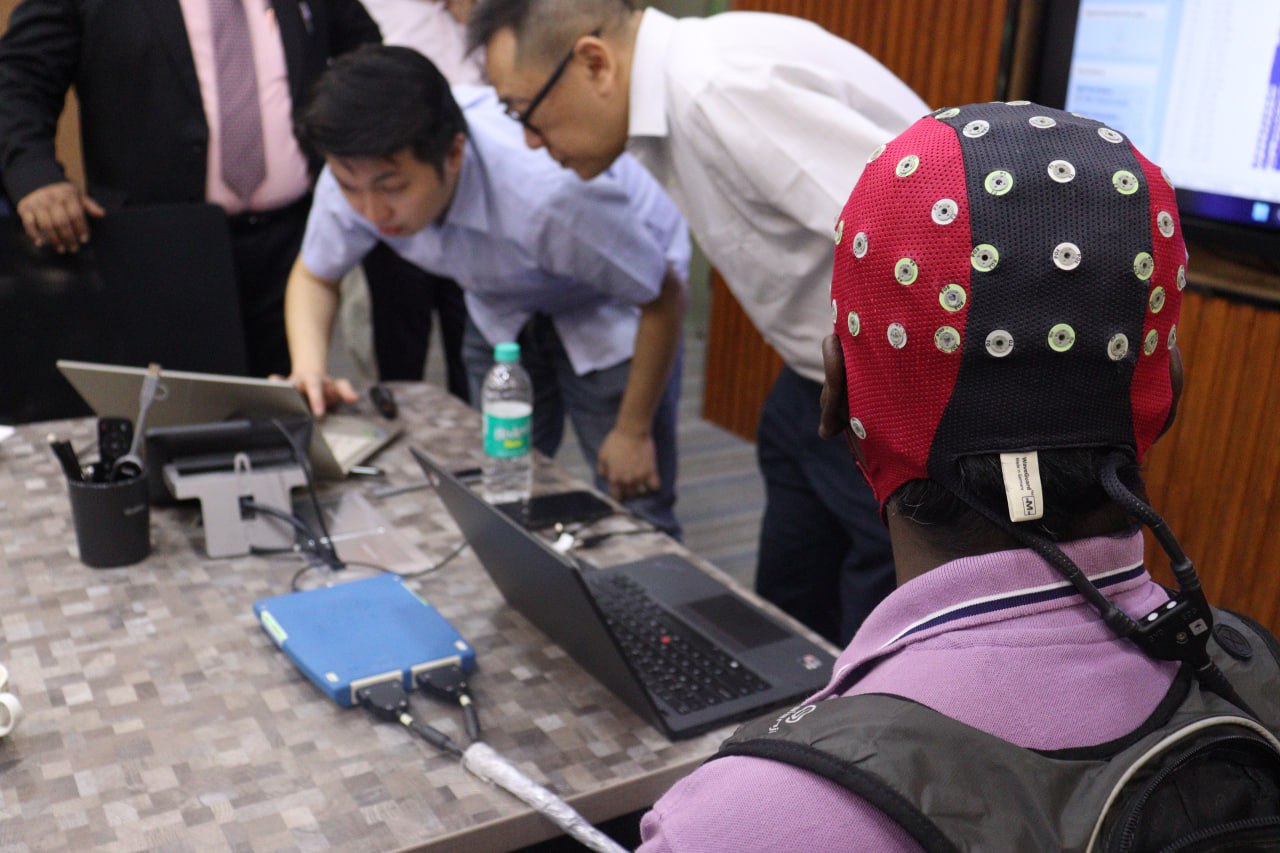
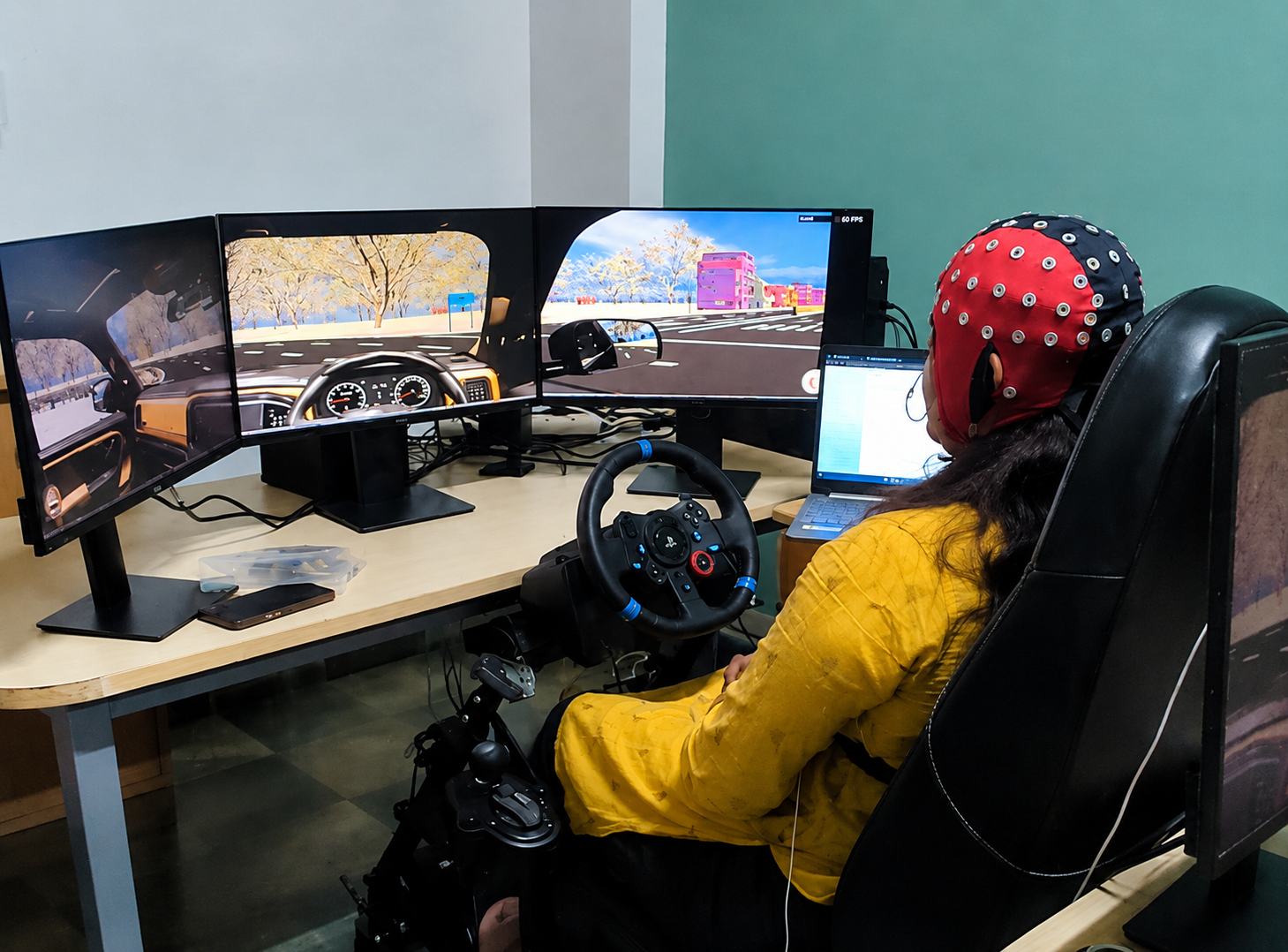
RBG Labs focuses on understanding behaviour through objective assessments and data-driven research. The lab aims to address human physical and cognitive constraints by designing systems, tools, and interventions that enhance safety, comfort, and efficiency.
To achieve the Nation's vision in road safety, the Transportation Safety Framework (TSF), an empathy-based systems approach, was adopted by RBG Labs, IIT Madras as a comprehensive roadmap. The framework provides a data-driven approach to reviewing policy, strategy development, regulation and enforcement, education and training, road capacity and infrastructure, vehicle and road safety, and vehicle regulations. Adopting this framework, several Government initiatives were conceptualised.
How TSF Works
- 01
Empathy-Based Understanding
Ground every intervention in the lived, physical and cognitive realities of road users.
- 02
Data-Driven Gap Analysis
Use crash, behavioural and field data to identify where transportation systems fall short.
- 03
Research & Development
Translate identified gaps into evidence-based tools, products, processes and interventions.
- 04
Capacity Building
Work with governments, institutions and practitioners to enable adoption and sustained implementation at scale.
- 05
Zero Road Fatalities
Work towards the collective goal of zero road fatalities through evidence-based, actionable solutions.
TSF Outcomes
The framework works towards outcomes across seven categories:
- Mindset and Behavioural Change
- Strategy Development
- Technology Development
- Regulations and Enforcement
- Education and Training
- Occupant and Pedestrian Safety
- Policy Assistance
From Framework to Action
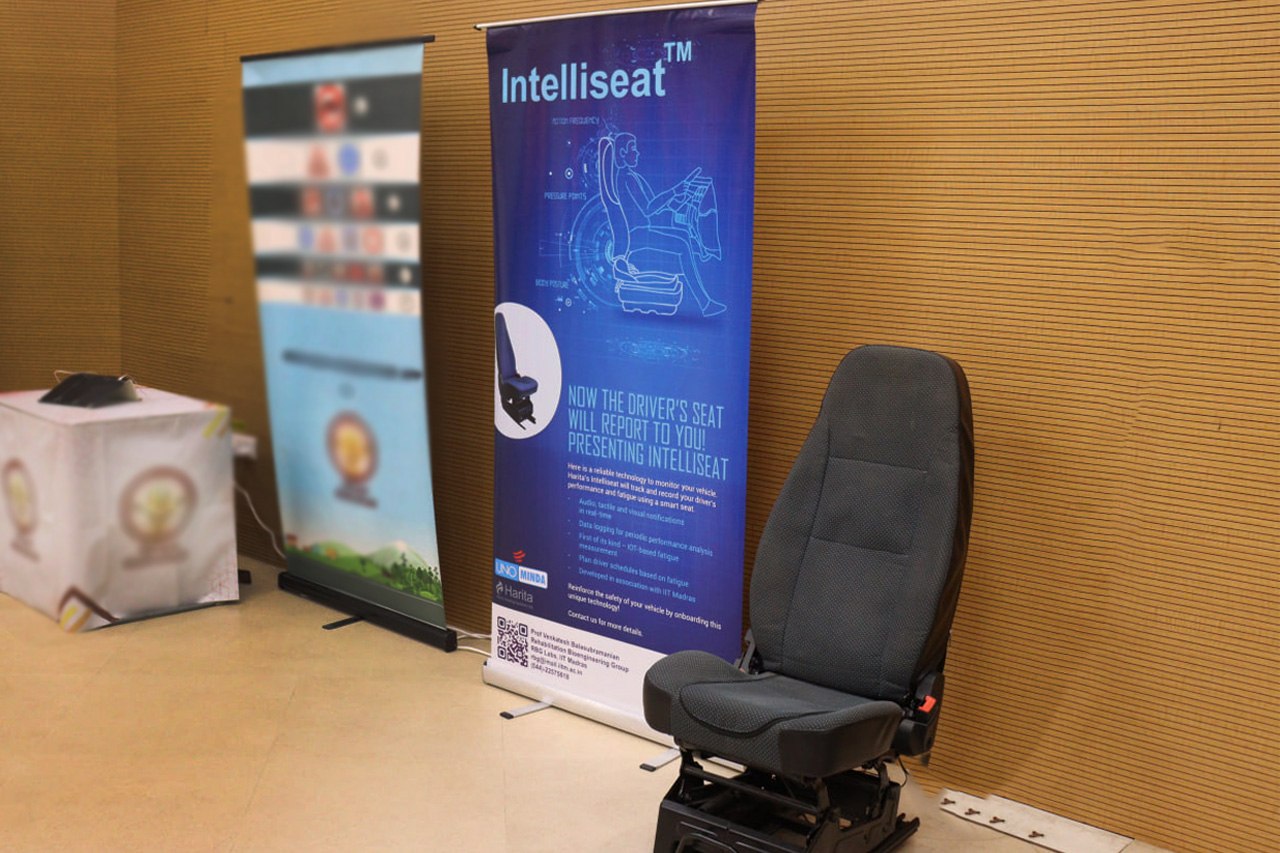
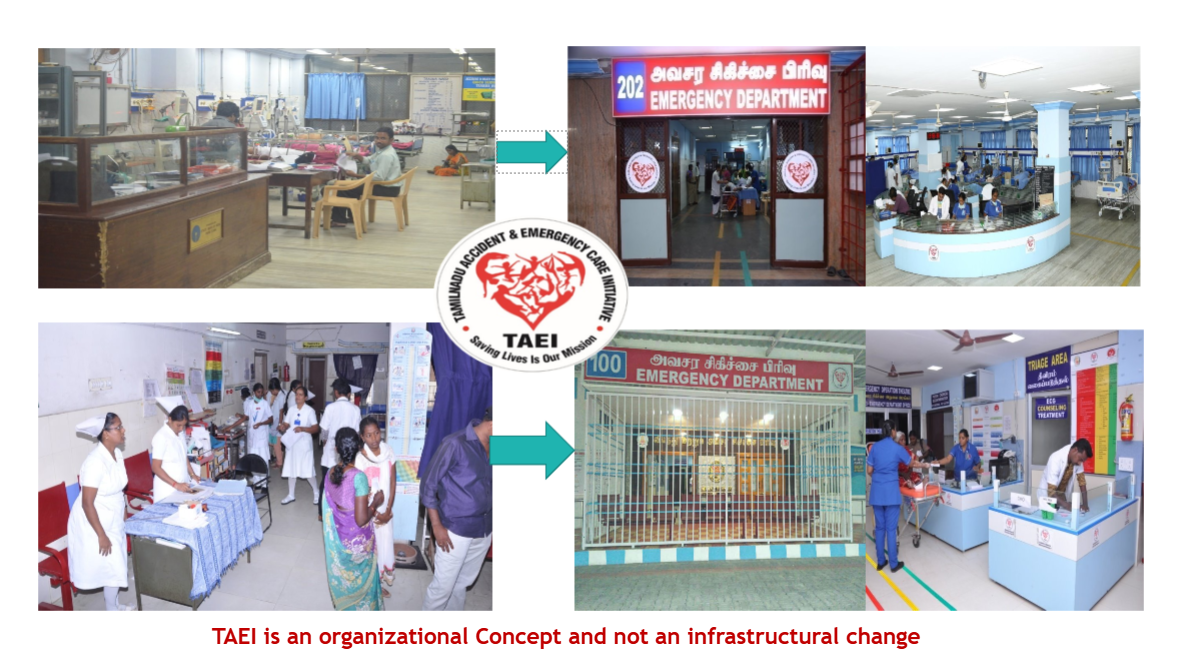
Adopting the TSF, RBG Labs has conceptualised and developed several products and government initiatives that translate research and evidence into actionable solutions.
Key Innovations & Impact
Pioneering systemic change across road safety, trauma care, biomedical engineering, and data-driven governance.